Non-contact screening. Zero compromise. Fuel cell accuracy, printed records and pan-India delivery from New Delhi.
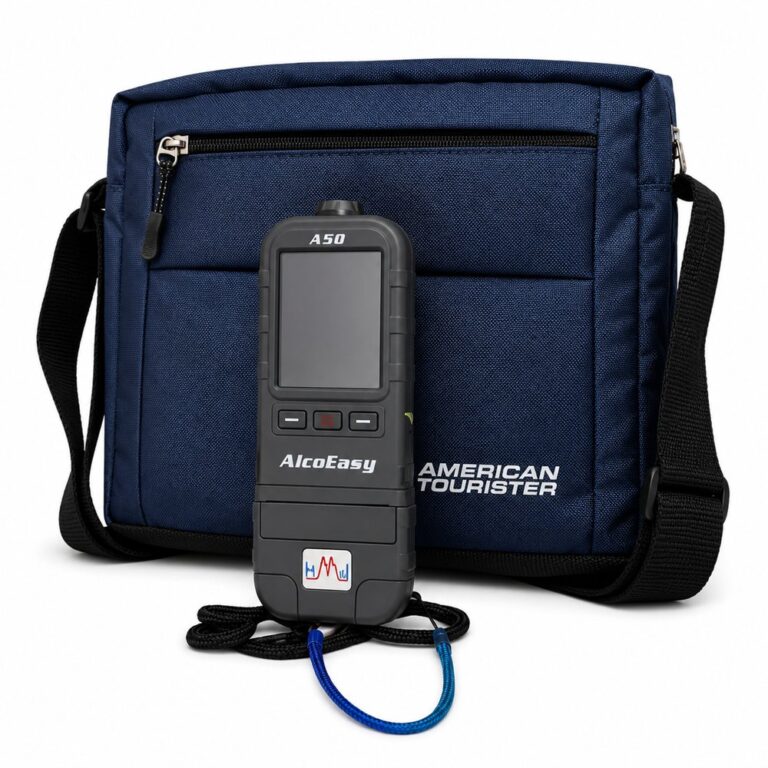
Fuel cell accuracy with instant thermal printing — the workhorse for transport and industrial screening.
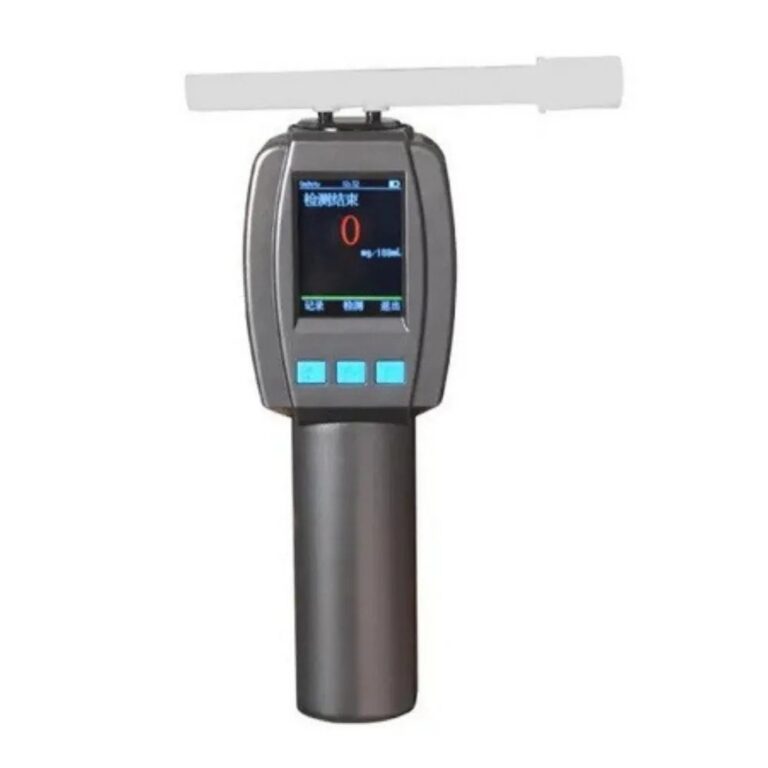
Premium electrochemical fuel cell analyzer with Bluetooth data transfer and attached thermal printer.
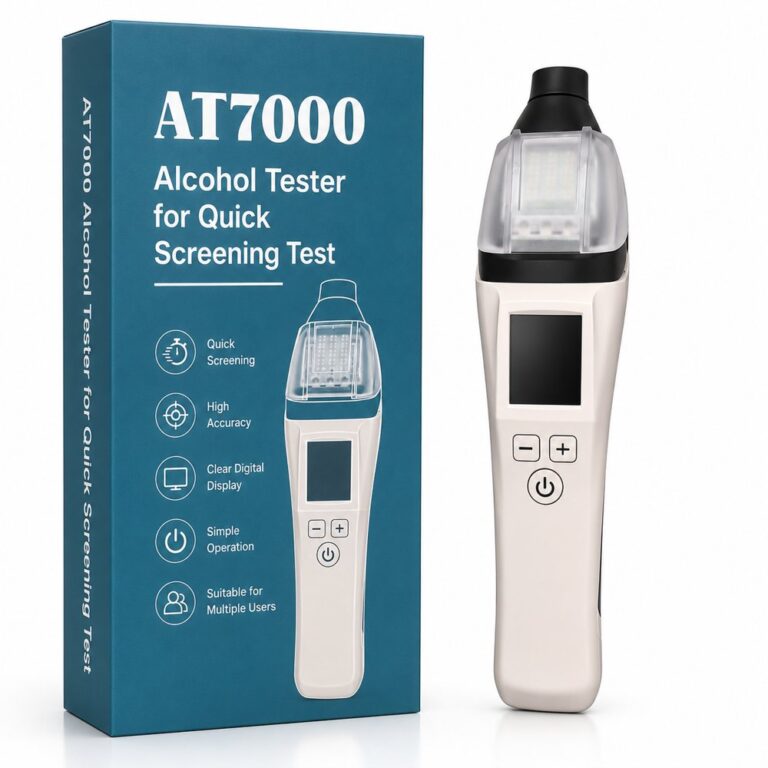
Mouthpiece-free rapid screening in seconds — ideal for gates, lobbies and high-traffic checkpoints.
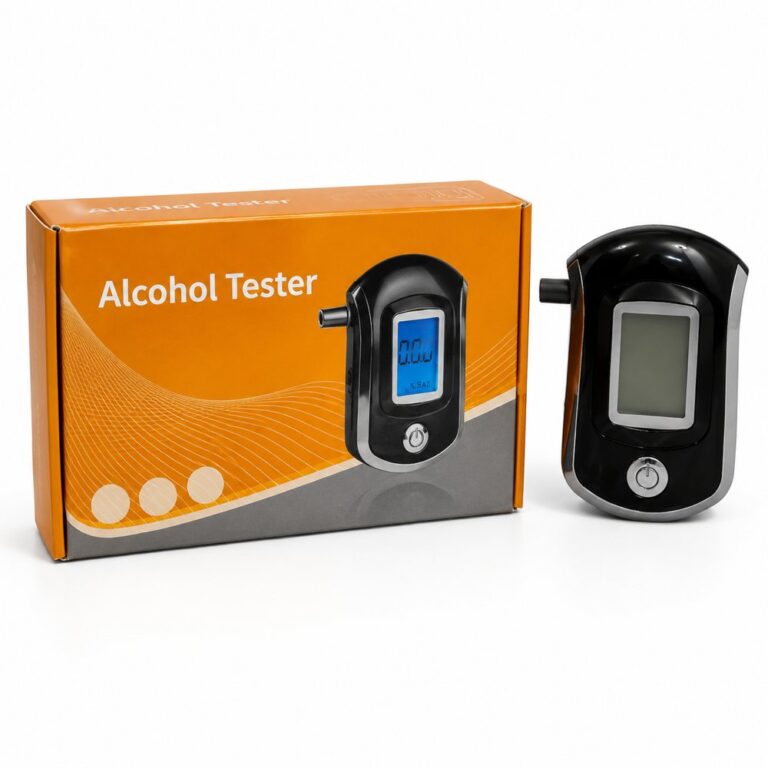
Best-value personal tester with high-sensitivity sensor and clear digital display.
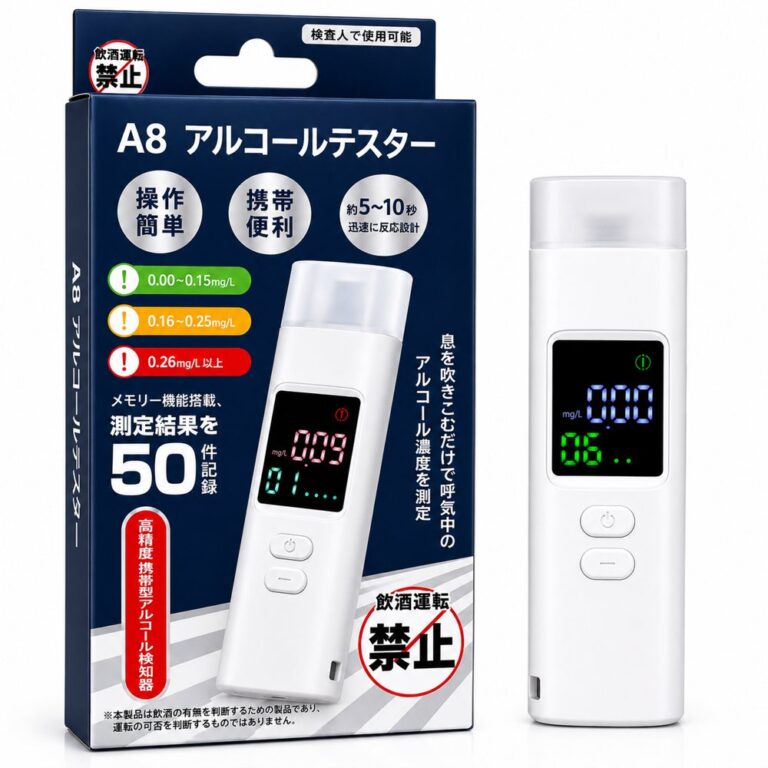
The A18 Slim Personal Breath Alcohol Tester is a portable breathalyzer featuring advanced semiconductor sensor technology for fast and reliable BAC measurement. Its slim design, lightweight construction, and easy operation make it the perfect companion for personal alcohol testing on the go.
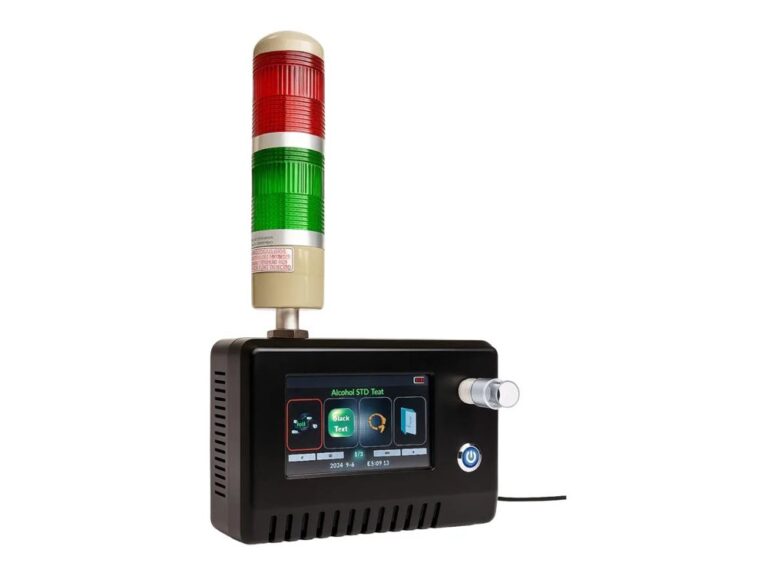
Reliable wall-mounted analyzer for entrances and security checkpoints — fast, consistent daily screening.
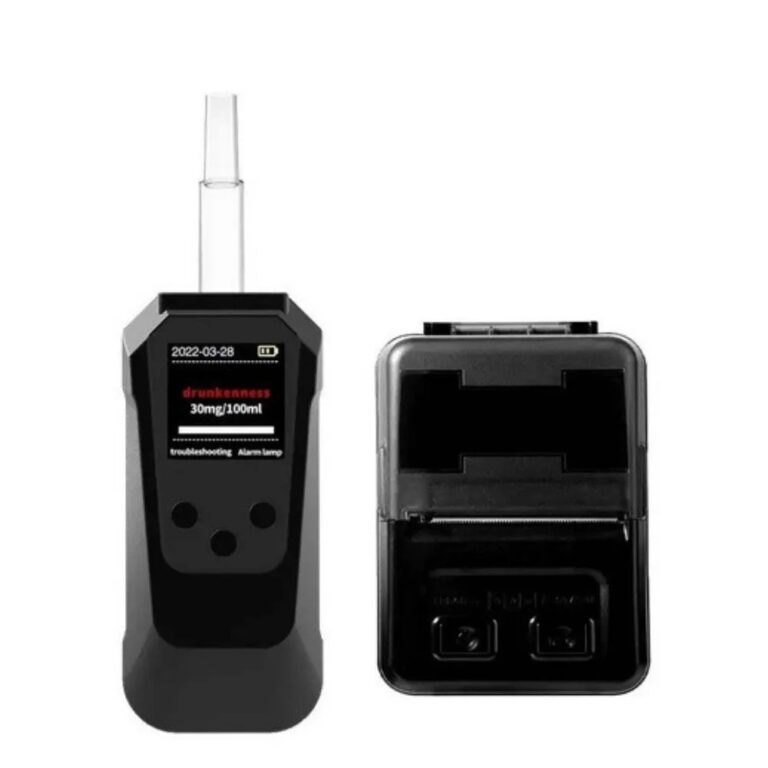
Portable professional analyzer with integrated thermal printer for instant, audit-ready test reports.
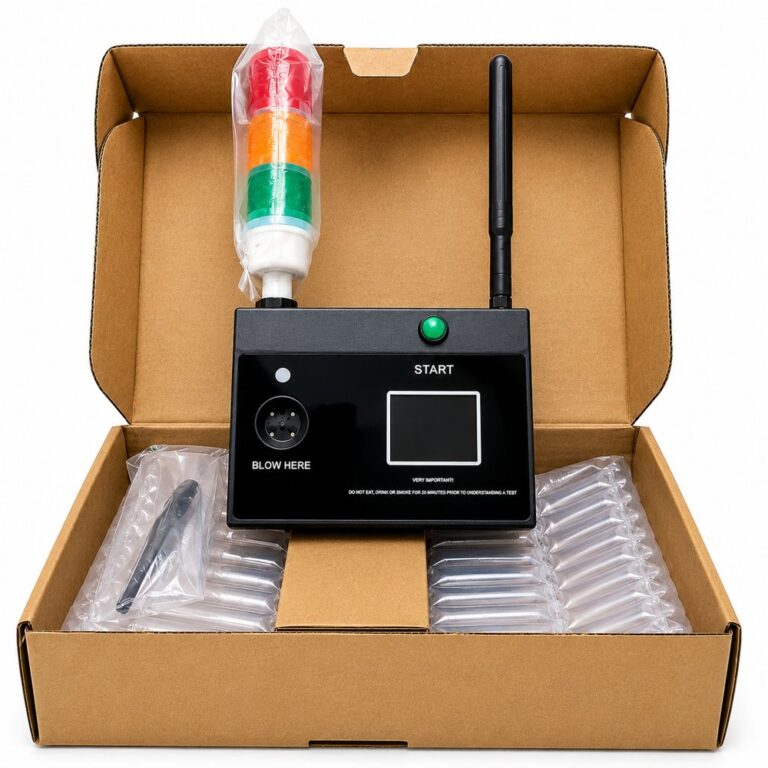
Smart wall-mounted screening station with WiFi & Bluetooth for real-time monitoring at gates, plants and checkpoints.
Fuel cell sensors, printers and biometrics for audit-ready workplace and roadside testing.
Fixed screening stations for gates, plants and checkpoints — always on duty.
Hygienic, mouthpiece-free detectors for rapid high-volume screening.
Field screeners for roadside and mobile checks.
Pocket-sized testers for everyday, responsible decisions — from ₹1,000.
Equipping police forces and traffic departments with breath analysis equipment for roadside screening and measured tests. Roadside work runs in two stages: a fast preliminary screen to decide who to look at, then a fuel cell test that measures the reading and records it. What separates the two is the sensor and the paperwork — a fuel cell reacts only to ethanol, and a documented calibration history is what makes the reading defensible when it is challenged.
▸ DUI checkpoint testingEnsuring commercial vehicle operators are sober before operating heavy machinery and vehicles. Fleet operators screen before the shift rather than after an incident, for the plain reason that the second is expensive and the first is not. India's legal limit of 30 mg per 100 ml sets the floor, not the standard: a driver just under it is still impaired and still yours. A portable unit at the depot gate, with a fuel cell analyzer for confirmation, is the usual shape.
▸ Driver pre-shift testingMaintaining zero-tolerance alcohol policies in high-risk mining and construction environments. Underground work removes the margins that protect people elsewhere — escape routes are long, blasting depends on sequences being followed exactly, and a haul truck allows no moment of inattention. This is why sites here generally set the threshold at zero rather than at the driving limit, and why screening happens at the gate or the lamp room rather than at the face.
▸ Pre-shift alcohol screeningPre-duty testing for pilots, ground crew, and aviation personnel. Aviation runs the strictest thresholds of any sector, and the testing has to match: fuel cell sensors, tamper-evident records, and a chain of documentation an auditor can follow. Devices with an in-built printer matter more here than almost anywhere else, because a timestamped slip is a far stronger record than a logged number.
▸ Pilot pre-flight testingProfessional breath analyzers for hospitals, rehabilitation centers, and occupational health programs. Clinical use asks a different question from enforcement: not whether someone is over a line, but how a number is changing over time. Rehabilitation programmes need repeatable readings from the same instrument across months, which puts calibration stability ahead of portability — and makes a fuel cell sensor the only sensible choice.
▸ Patient alcohol monitoringProtecting factory floors with automated alcohol detection and access control integration. At a shift change with hundreds of people arriving in twenty minutes, a handheld tester becomes the bottleneck. A wall-mounted, non-contact station reads a passive sample with no mouthpiece to change and can be wired to the turnstile, so a flagged result simply holds the door. The screening is then identical for everyone, whoever is supervising.
▸ Factory gate screeningScreening devices for schools, colleges, and educational institution safety programs. Institutions screen rarely and need to be right when they do, which changes what to buy: an inexpensive unit used twice a year drifts out of calibration between uses, and a wrong reading about a student is a far more serious matter than a wrong reading at a gate. Accuracy and a calibration record matter more here than throughput.
▸ Campus security screeningResponsible serving and event safety management with portable screening devices. Venues use screening to decide whether to keep serving and whether someone should be driving — a duty-of-care decision rather than an enforcement one. Compact personal-tier devices work well because the reading informs a conversation rather than a consequence, and volume is unpredictable.
▸ Nightclub & bar complianceElectrochemical fuel cells for alcohol-specific readings, high-sensitivity semiconductors for everyday screening — we stock both, and tell you honestly which one you need.
Thermal printers — in-built or Bluetooth-attached — put date, time and BAC on paper the moment the test ends.
Mouthpiece-free detectors screen a full shift in minutes. No consumables, no queues, no shared surfaces.
Fingerprint-verified testing on supported models ends proxy tests for good. The person tested is the person on record.
Based in New Delhi — shipping nationwide with WhatsApp-first support that actually answers.
MRP and sale price on every product page. Volume pricing on request — no games, no hidden costs.
Share your use case and headcount. We reply on WhatsApp with a recommendation, pricing and a demo option.
Volume pricing · Demos · Device selection